What Lighthouse Keepers Actually Did: A Daily Routine Explained
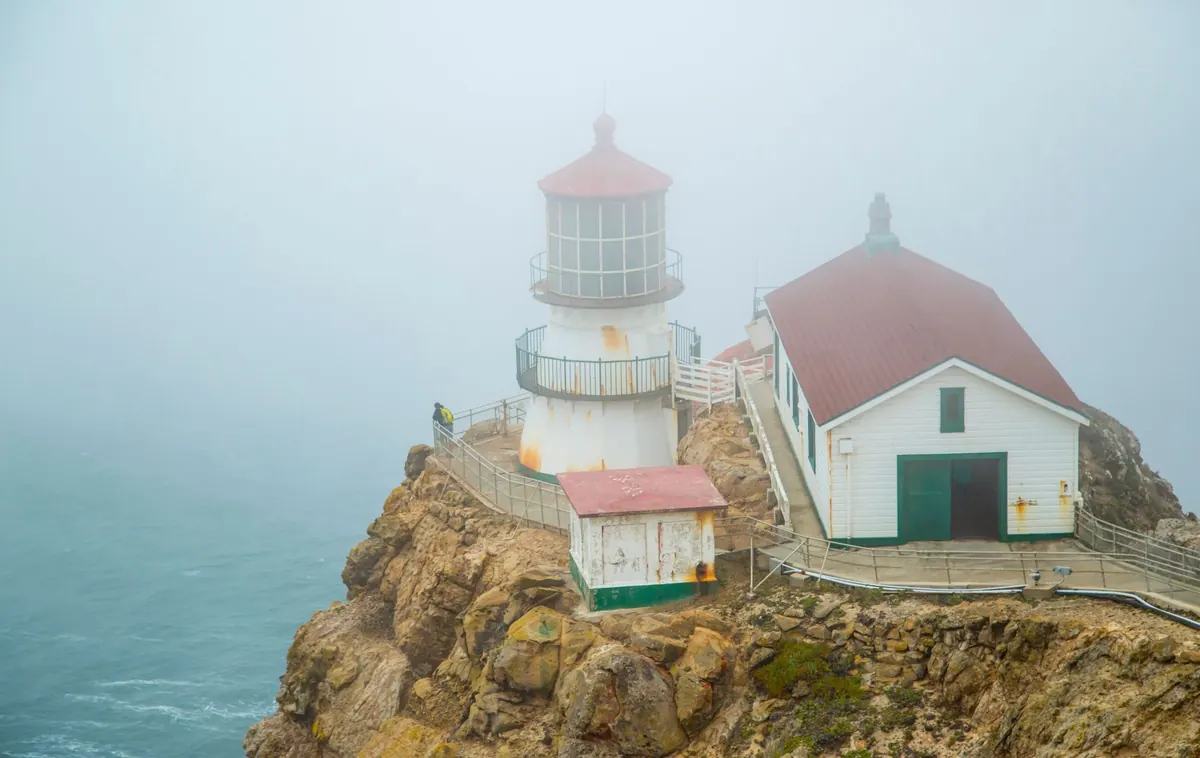
The popular image of a lighthouse keeper is a figure in a wool sweater leaning on a railing, staring at the horizon. It is a fine picture, and mostly wrong. The people who kept lights burning spent very little time gazing at the sea. They spent their hours trimming wicks, hauling oil, polishing brass, winding clockwork, scraping salt off iron, and writing down the weather every few hours whether anything happened or not. The romance was in the setting. The work itself was a blend of janitor, mechanic, weather observer and emergency responder, on a schedule that did not pause for Sundays, gales, or how anyone happened to feel that morning.
Before Dusk: Preparing the Light
Everything depended on the lamp being ready before the sun went down. In the oil era, that meant cleaning the burner, trimming the wick to the right shape, and filling the reservoir — whale oil and colza oil in earlier decades, kerosene later, and eventually mantles burning vaporised oil or gas. A wick trimmed too long smoked the lantern glass; trimmed too short, it gave a weak, yellow flame that carried poorly.
Then came the lens. A Fresnel lens is a stack of glass prisms that bends light into a single beam, and it is unforgiving. A smudge of soot or a fingerprint on the prisms scatters the beam and dims it. Keepers cleaned the glass with soft cloths and spirits, working carefully around the brass framework.
On a revolving light there was one more job: winding the clockwork. A weight on a chain hung down the middle of the tower, and as it sank it turned the lens. The keeper cranked it back up — several times a night on many stations — and if he forgot, the light stopped flashing. That mattered more than it sounds. Mariners identified a station by its character, the pattern of flashes and eclipses, and a light stuck on a steady beam could be mistaken for a different lighthouse altogether.
The Morning Round
Daylight brought the unglamorous half of the job. The lamp was extinguished, the burner cleaned, the oil measured and recorded, and the whole lantern put back in order. A typical round covered a surprising amount of ground:
- Cleaning and refilling the lamp, and trimming or replacing the wick or mantle
- Polishing the lens, the brass fittings and the lantern panes
- Washing the lantern floor and the stair treads
- Checking the oil or gas supply against the stock records
- Testing the fog signal machinery — clockwork bells, compressed-air horns or explosive charges, depending on the station and era
- Painting, whitewashing and oiling anything that salt air had begun to eat
Salt is the quiet enemy of a lighthouse. Bare iron rusts fast on a rock in the middle of the sea, so keepers painted constantly, and the smell of paraffin, brass polish and wet stone was the smell of the job. On offshore towers the keeper might also be responsible for the boat, the winch, the water cistern and the store of coal or firewood.
The Logbook: Writing the Station's Memory
Every station kept a log, and keepers wrote in it in ink, legibly, in a hand that inspectors would read. The daily entry recorded the weather at set hours, the barometer and thermometer readings, wind direction and force, sea state and visibility. It recorded the light: when it was lit, when it was put out, how it performed. It listed ships passing, work completed, supplies received, visitors, and anything unusual at all.
Most entries are dull, which is exactly what makes them valuable. A run of ordinary days shows what normal looked like in a particular decade. Then a line goes sideways — a gale, a wreck, a broken pane, a birth — and the log becomes a witness statement. Keepers were also required to note the weather in the "remarks" column even when nothing happened, and that discipline produced decades of coastal weather records that exist nowhere else.
Watching the Weather, and the Water
Lighthouse keeping made people into careful observers. The barometer was read at fixed hours, sometimes three times a day, and a falling glass meant work to do: check the moorings, secure loose gear, top up the oil, and prepare for a long night. Many stations flew storm warning signals from the nearest meteorological service, and some relayed reports by telegraph or telephone to a central office.
Keepers also watched the sea itself. A change in swell, the colour of the water over a reef, a set of white water where there should be none — this was local knowledge that no chart carried. It went into the log, and often into the head of whoever was on watch.
When the Light Was Not Enough
Lighthouses warn, but they cannot stop a ship from hitting a rock. So keepers were frequently the first and only rescue service available. If a vessel struck nearby, they launched a boat if the sea allowed, or used the rocket apparatus kept at many stations to fire a line across the wreck and haul survivors ashore in a breeches buoy. They gave first aid, dry clothes and hot drinks, and then wrote it all down.
The fog signal was part of this duty and one of the more tedious parts. In thick weather, someone had to sound the horn at precise intervals for hours — counting seconds in a small, loud room, so that a ship's master could time the gaps and fix a position. Failing to keep the rhythm was as serious as letting the light go out.
How the Job Changed Over Time
In the early nineteenth century, keepers were often political appointees on poor pay, and the work was frequently a family enterprise: wives served as unpaid or underpaid assistants, and some women took over as principal keepers in their own right. Later, lighthouse authorities professionalised the role with uniforms, examinations, inspections, pensions and standardised procedures.
Technology then ate the job from the inside. Acetylene lamps with sun valves lit and extinguished themselves. Electric lamps, automatic lamp changers, radio telemetry and solar panels removed the need for someone to wind a weight in the dark. Through the later twentieth century, keepers were withdrawn from station after station; many lights are now monitored from an office hundreds of miles away. The gain was efficiency and safety. The loss was the resident observer — the person who noticed the swell changing before the instruments did.
Seeing a Lighthouse With a Keeper's Eye
Next time you visit one, look past the view. Find the weight tube down the centre of the tower and imagine cranking it every few hours. Look for wear on the stair treads, paint over paint on the ironwork, and the small hatch where oil was hoisted up. If the station has a logbook on display, read the ordinary entries first, then find a storm.
Heritage open days and keeper's cottage rentals put you inside the routine for a night or two; volunteer restoration groups often need hands for painting. And when you walk back down, notice how much of the work left no trace at all — just a light that came on at dusk, every dusk, for a hundred years.
Photo: Scottslm / Pixabay
Lighthouse Stays vs. Nearby Hotels: How to Choose Overnight Accommodation
A practical comparison of lighthouse keeper cottages and nearby hotels on access, amenities, noise,...
Seven Curious Lighthouse Superstitions and Coastal Legends
A tour through lighthouse ghosts, sailor taboos and wreckers' tales — and a practical guide to telling a...
About Us