Lighthouse Stays vs. Nearby Hotels: How to Choose Overnight Accommodation
Two nights on the same stretch of coast can feel like two entirely different trips. One puts you in a converted keeper's cottage with the tower above you and nobody else for half a mile. The other puts you in a hotel with a lift, a bar and someone to call at two in the morning. Neither is automatically the better choice, and the honest answer depends less on romance than on five unglamorous things: how you get to the door, what is waiting inside, what you will hear at night, what the weather can do to your plans, and what happens if you have to cancel.
Start with the shape of your trip, not the photographs
Lighthouse accommodation rewards a particular kind of traveller. If your ideal evening is cooking something simple, opening a window and watching the light come round every few seconds, a keeper's cottage will beat any hotel on that coast. If your ideal evening involves a menu you did not plan, a glass of something cold poured by someone else, and a short walk back to your room, the hotel will win and you should stop romanticising the cottage.
Who is coming matters just as much. A couple with a car and a taste for early mornings can shrug off a gravel track and a flight of steps. Grandparents, a toddler, a friend with a bad knee, or anyone arriving by train will find the same access far more tiring. Be honest about the group before you fall for the building.
Access: the detail people underestimate most
Lighthouse stays are often at the end of something. A single-track lane with passing places. An unlit gravel track. A tidal causeway with a window either side of high water. A cliff path and a hundred-odd steps. Sometimes you park a few hundred metres away and carry everything in by hand, in the dark, in the rain, with no trolley.
Hotels rarely ask anything of you beyond a kerb. There is a drop-off at the entrance, a sign you can read at night, a reception that stays staffed, and usually someone who will help with a bag. That difference is trivial in July sunshine and considerable in a January squall with a sleeping child in the back seat.
Questions worth asking before you book a lighthouse stay
- How exactly do I reach the door, and is the last stretch lit?
- Is there a tidal crossing, a ferry or a locked gate, and what happens if I miss the window?
- How many steps, and how much uneven ground, between the car and the front door?
- Can I arrive after dark, and will someone meet me or leave instructions and a key?
- Is there mobile signal at the property, and what is the fallback if there is not?
- Where is the nearest shop, and how long does it take to get there without a car?
Write the answers down. A property manager's reply by email is worth more than an optimistic description on a booking site, and it is useful evidence if something turns out to be wrong.
Amenities: self-catering reality versus front-desk comfort
Converted keeper's cottages are usually well loved and slightly eccentric. Expect a kitchen you cook in rather than a kitchen designed for show, heating that may be storage heaters or a wood stove, and water pressure that has opinions. Linen and towels are sometimes included and sometimes not. Wi-Fi may exist but be thin. Housekeeping, if it happens at all, happens between guests. Bring groceries, a torch, matches, and a spare layer; the nearest supermarket is often a drive away and shuts early.
A hotel trades that self-reliance for a list of small conveniences: breakfast without shopping, a restaurant on a wet night, a bar, laundry, packed lunches, accessible rooms, and someone to fix the shower at nine in the evening. If you are travelling for work, or with people who need a proper bed and a hot breakfast before anything else, that list is not a compromise — it is the point.
Ask yourself one question: on the night I arrive tired, do I want to cook, or do I want to be cooked for? The answer usually settles the argument.
Noise: lighthouses are not silent
People picture solitude and get wind. Exposed headlands are loud: gusts against the glass, waves hitting rock, a generator, a colony of gulls that starts before dawn, and in some places a fog signal that still sounds. Old buildings creak and doors rattle. Some guests sleep better than they have in years; others are awake at four.
Hotels have their own soundtrack, and it is worth reading reviews for it. Corridor conversations, plumbing, a wedding function on the ground floor, delivery vans at six, traffic on a seafront road, gulls on the roof. Ask for a room away from the lift and the function suite, and check whether the hotel hosts events at weekends. A sea-view room on a promenade can be lovely and also the noisiest bed in town.
Weather exposure: plan for the coast to change its mind
A lighthouse is built where the weather is worst, which is exactly why it is there and exactly why your plans need slack. Storms can close roads, flood a causeway, cancel a ferry, cut power and make the walk to the car an event. Check tide tables as carefully as you check the forecast, and keep a buffer day on either side of anything you cannot miss, like a flight or a ferry home.
Ask the property what happens in a power cut, whether there is a landline or a backup, and how you would leave in an emergency at night. Hotels usually have generators, staff on site and a clearer evacuation route; a remote cottage often relies on you, a torch and a wood stove. That is part of the appeal, as long as you have chosen it knowingly.
Cancellation risk: read the terms like you mean it
Remote stays often come with stricter terms than city hotels, because a single empty cottage is the whole night's income. Non-refundable rates are common, and weather usually is not treated as a valid reason to cancel unless the owner decides it is. Ask directly, in writing, what happens if the access road floods or a ferry is cancelled, and who makes that call.
Then protect yourself. Book on a credit or debit card, consider travel insurance that covers domestic disruption if the trip is expensive, and prefer a flexible rate if you are travelling in a storm-prone month. Booking direct often gives you more room to negotiate a date change than a platform booking does — and a phone call is a better test of an owner's flexibility than a booking form.
A short checklist before you commit
- Write down your arrival time and the sunset time. If you will arrive in the dark, confirm the route and the key arrangements.
- Confirm the last mile in detail: track, causeway, ferry, steps, parking distance.
- Ask what is provided — linen, towels, fuel, kitchen basics, signal, Wi-Fi — and shop before you arrive.
- Read the cancellation policy and the weather clause, then decide whether you need insurance.
- Keep one buffer day if the trip depends on a ferry or a flight.
- Pack for exposure: layers, waterproofs, a torch, and shoes that can handle wet rock.
Choose the cottage when the journey is part of the trip and you want the coast to yourself after dinner. Choose the hotel when you want the coast nearby and the effort to stop at the door. Both are good nights. They are simply good in different ways, and the best booking is the one you made with your eyes open.
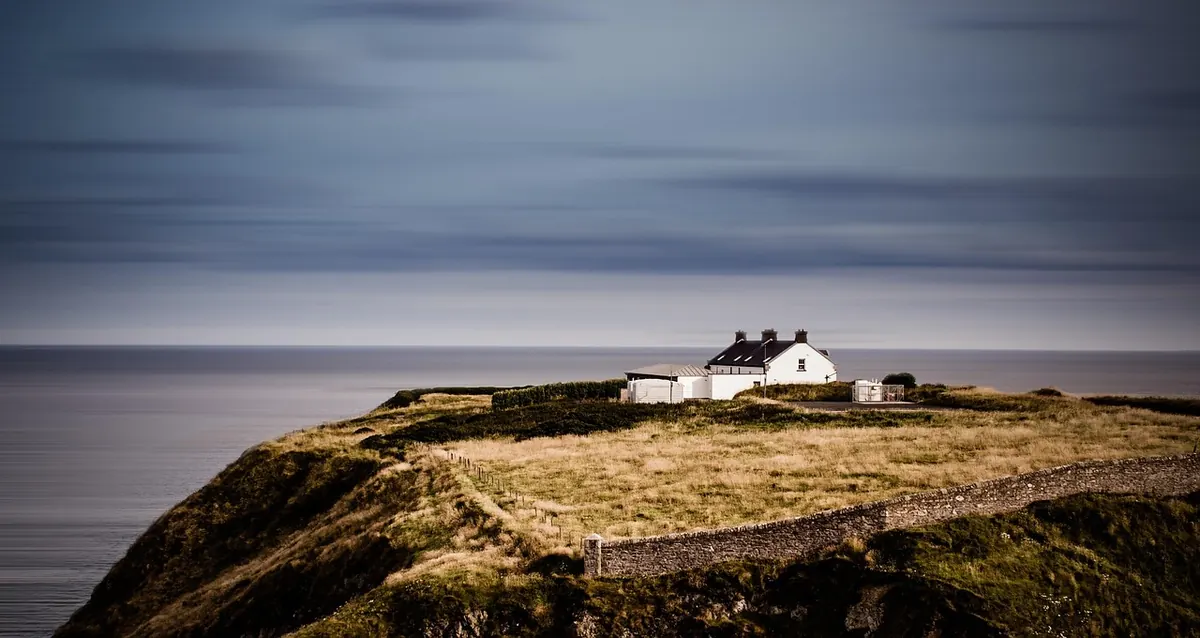
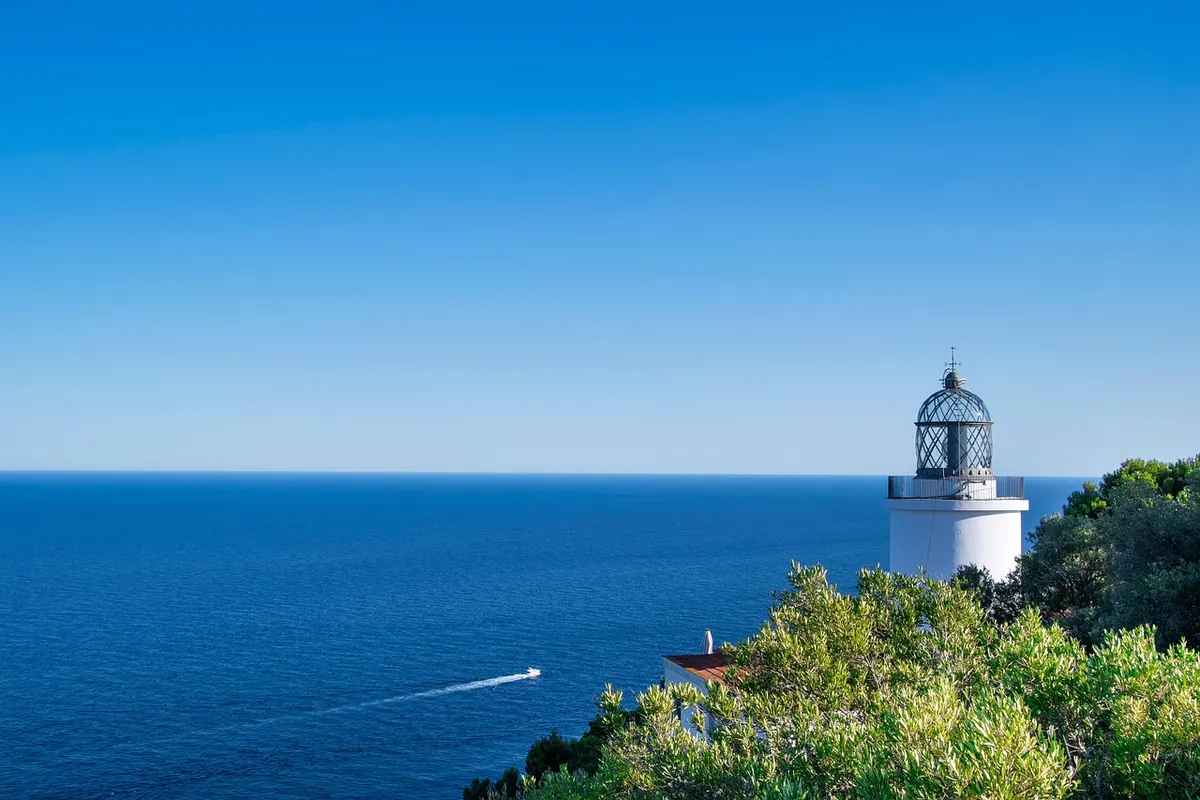
Photo: MartinPociecha / Pixabay
Seven Curious Lighthouse Superstitions and Coastal Legends
A tour through lighthouse ghosts, sailor taboos and wreckers' tales — and a practical guide to telling a...
Family-Friendly Lighthouse Visit Checklist for a Safe Half-Day Trip
A practical, parent-focused checklist for a half-day lighthouse visit, covering tower stairs, cliff...
About Us