Seven Curious Lighthouse Superstitions and Coastal Legends
A lighthouse is a machine built to keep a promise: there will be light here tonight, whatever the weather decides to do. Everything strange that clings to these towers — the ghosts, the omens, the taboos muttered on the stairs — grows out of that promise and the fear that one night it might not be kept.
Walk into any lighthouse visitor centre and you will hear two kinds of story. One comes from the logbook on display behind glass: dates, names, weather, hours. The other comes from the volunteer's voice dropping half a tone as they mention the keeper who never left. Both are worth hearing. They are not the same thing, and the pleasure of lighthouse travel doubles once you can tell them apart.
The Dark Light: Why a Failed Lamp Was an Omen
Among keepers, the worst thing that could be said about a man was that his light had gone out. The lamp was trimmed, the wick watched, the oil checked and the clockwork weight wound before anything else — sometimes before eating. In a profession built on routine, a dark lantern room was the one failure that could not be explained away as weather.
Coastal communities turned that duty into folklore. Along parts of the British and Irish coasts, a light that failed was said to be a warning of a wreck to come; in fishing villages from Maine to Brittany, a keeper who let the flame die was sometimes said to have "put out a soul". The logic runs backwards, of course. If a light failed on a dirty night, a ship might well be lost, and the two facts got welded together in the retelling.
The records are more interesting than the omen. Logbooks are full of ordinary failures — a choked burner, a cracked lens, a fog signal that jammed — followed by a note in careful handwriting and a repair. The superstition survives because the stakes were real, not because the flame could see the future.
The Keepers Who Vanished at Flannan Isles
No lighthouse story is retold more often than the disappearance of three keepers from Eilean Mòr in the Flannan Isles, west of Scotland, in December 1900. James Ducat, Thomas Marshall and Donald MacArthur were gone when the relief boat arrived. The lamp was cold. Nothing else was ever found.
That much is documented, and it is eerie enough on its own. What gets added in pub versions is more elaborate: a half-eaten meal left on the table, chairs pushed back, and log entries describing a storm and a keeper weeping. Weather records for the period do not support the storm, and the dramatic diary passages do not appear in the surviving record — they entered the story through later retellings and poems.
The real investigation pointed to the west landing, where a heavy sea could have swept men working on the equipment. It is a plausible, unglamorous explanation. Legend prefers the empty chair.
Whistling Up the Wind and Other Sailor Taboos
Lighthouse keepers lived at the edge of a working harbour and picked up its habits. Many of the rules travellers hear on tours came from sailors and fishermen rather than from lighthouse authorities, and they were practical warnings dressed as bad luck.
- Whistling. Whistling aboard ship, or in some harbours even on the quay, was said to whistle up a gale. On a crowded deck, a whistle was also a signal — and a confusing one.
- Bananas. The banana taboo is a twentieth-century addition, strong among sport fishermen and yacht crews. Its origins are murky, which is exactly why it survives.
- The albatross. Killing one was unlucky long before Coleridge wrote about it; sailors saw the bird as the soul of a lost seaman.
- Renaming a ship. Changing a vessel's name was thought to invite disaster, and the ceremony invented to undo the curse is itself modern folklore.
- Friday sailings. Friday has been considered unlucky for departures in many ports, though other harbours held the opposite view — a reminder that these rules were always local.
The pattern is consistent: a taboo clusters around whatever the crew could not control. Wind, weather and the mood of the sea got the rituals. Ropes and watches got the drills.
False Lights and the Myth of the Wreckers
Every coastal region has a version of the wreckers' story: men on a cliff tying a lantern to a horse's head and walking it inland so a confused ship follows the light onto the rocks. It is a superb image, and it has been recycled in novels and films for two centuries.
The documented history is thinner. Wrecks were caused overwhelmingly by weather, fog, bad charts and bad luck. Salvage, by contrast, was legal, regulated and lucrative — and coastal people did race to a stranded ship to claim what came ashore. That scramble, perfectly lawful in its day, is probably the seed of the darker tale. Court records show prosecutions for deliberate wrecking, but they are rare enough that historians treat the organised "wrecker village" as mostly fiction.
What the story does preserve is a genuine coastal suspicion of strangers with lights. If a ship came in at the wrong angle, someone had to be blamed.
Ghosts in the Lantern Room
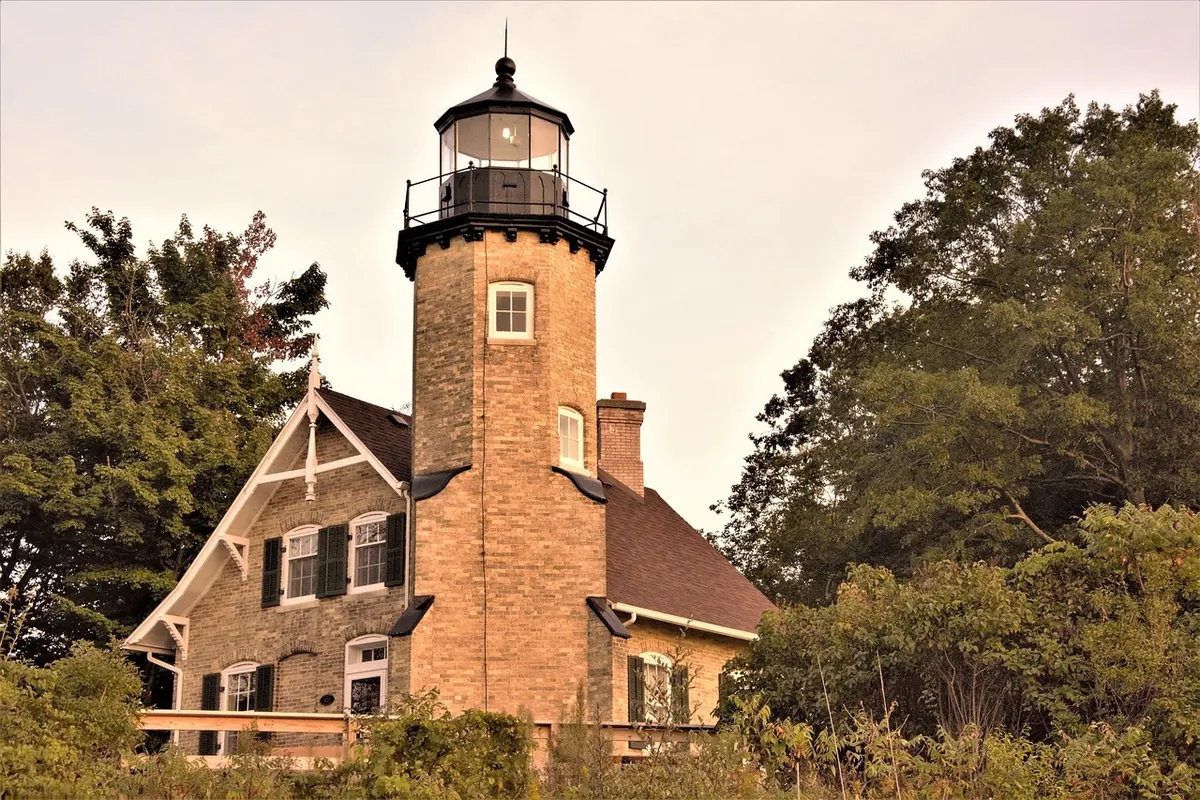
Lighthouses are ghost-story factories, and the architecture does half the work. Spiral stairs, wind that sounds like breathing, a fog signal that booms without a visible cause, and long night watches with nobody to talk to. Under those conditions, a creaking door becomes a keeper.
The motifs repeat from country to country: the keeper who stayed on after his last shift, the woman at the window waiting for a ship that never came, the sound of boots on the tower steps when the tower is locked. Sailors had their own version of the same instinct. The future King George V, as a young midshipman aboard HMS Bacchante in 1881, was recorded as having sighted the Flying Dutchman — a story told seriously at the time and reprinted ever since, which tells you more about the era's relationship with the sea than about spectral ships.
Why the stories stick
A good lighthouse ghost does three things at once: it explains a real sound, it gives the tower a character, and it sells a ticket for the evening tour. None of that makes the teller a liar. It makes them a good host.
How to Tell a Legend from a Record
You do not need an archive pass to sort one from the other. Three questions do most of the work.
- Does it have a date? Records attach stories to a year, sometimes a month and a day. Legends drift.
- Was it written down at the time? Look for logbooks, lighthouse board correspondence, newspaper reports from the same decade, or harbour records. A story that first appears in a 1950s guidebook is a 1950s story.
- Does the teller name a source? "They say" is not a source. "The keeper's log for March 1894" is.
And be fair to the folklore. A story that fails all three tests can still be the most honest thing in the room: it tells you what the community feared, which is usually more revealing than what the officials wrote down.
Visiting with a Skeptic's Eye
A few habits make a lighthouse trip better, whether you are at Cape Hatteras, the Eddystone, Cape Otway or a small harbour light with a volunteer and a cash box.
- Ask when the story first appeared. Tour guides often know, and they usually enjoy being asked.
- Read the display cases properly. Logbook pages, keeper lists and engineer's drawings are the best-value part of any lighthouse museum.
- Photograph the noticeboards. Local history panels contradict each other in useful ways.
- Take the evening ghost tour, then walk the headland in daylight and look at the rocks. The geography usually explains the story.
- Buy the local history booklet as well as the ghost book. One gives you the people; the other gives you the mood.
Keep the light in view while you do it. The reason these towers attract so much invention is that they were genuinely serious places, staffed by people who understood that a small flame and a well-kept promise were the difference between a ship and a wreck. The legends are the sea's way of saying that someone was paying attention.
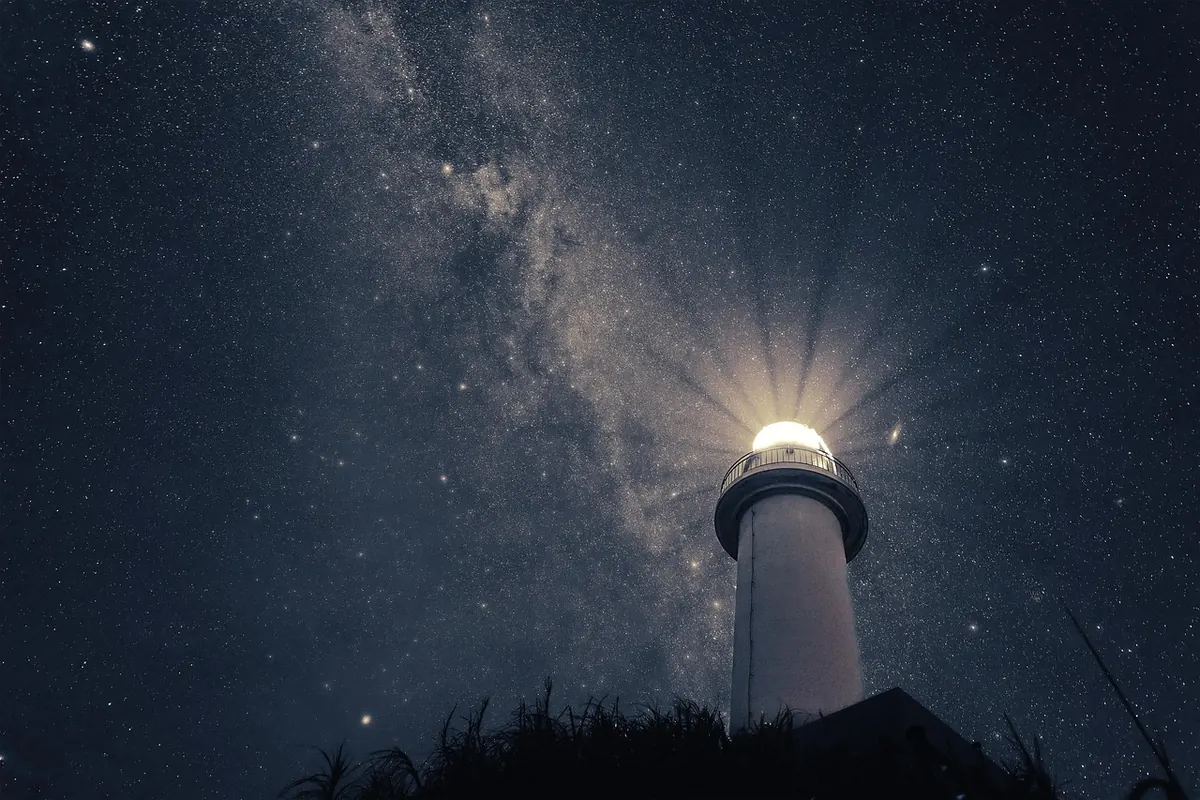
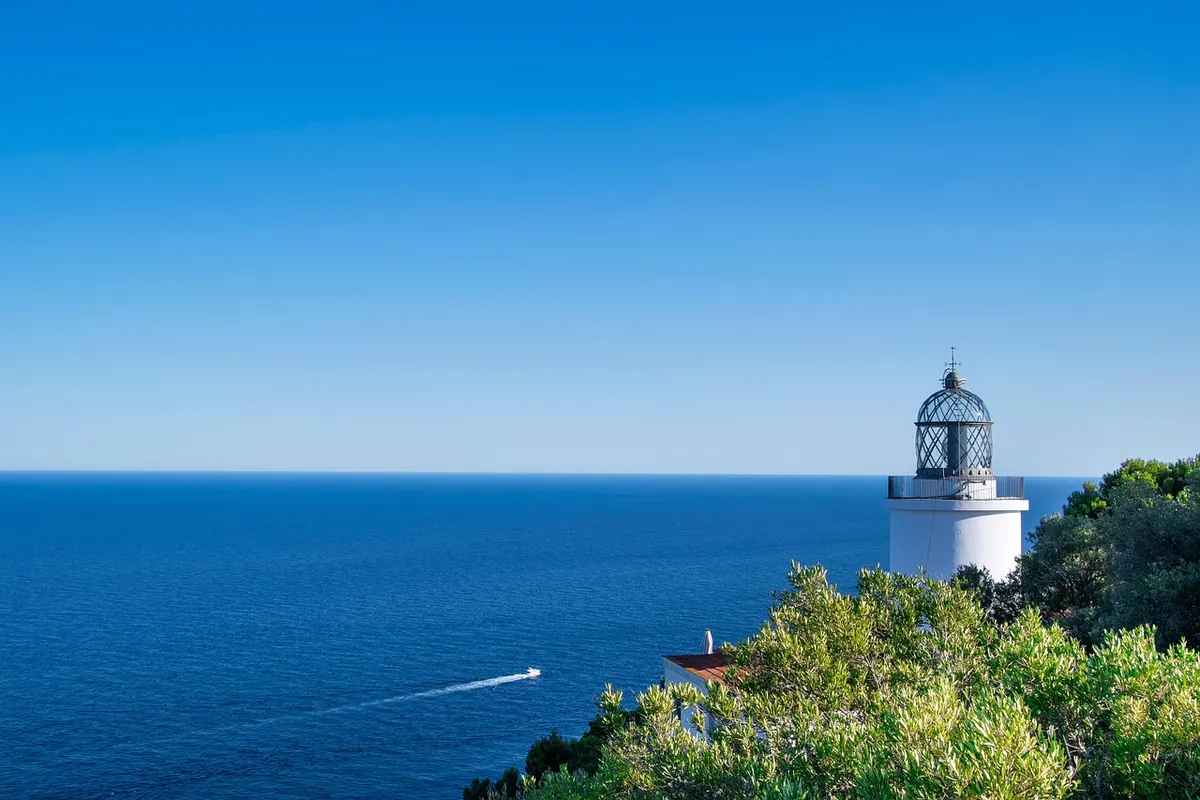
Photo: Kanenori / Pixabay
Lighthouse Stays vs. Nearby Hotels: How to Choose Overnight Accommodation
A practical comparison of lighthouse keeper cottages and nearby hotels on access, amenities, noise,...
Family-Friendly Lighthouse Visit Checklist for a Safe Half-Day Trip
A practical, parent-focused checklist for a half-day lighthouse visit, covering tower stairs, cliff...
About Us